What hidden risks exist within commercial kitchen exhaust systems beyond visible surfaces?
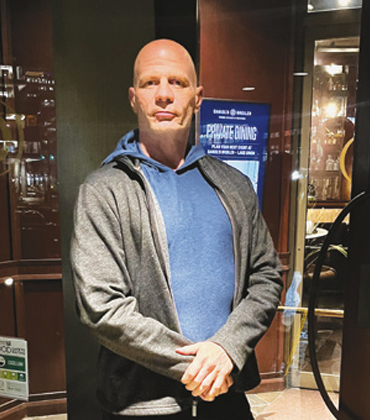
SPW Hood Cleaning goes the extra mile for kitchen operators by looking beyond what appears clean. Founder and Owner Chris Schrader understands that the real danger in a commercial kitchen exhaust system is often hidden from view. Grease builds up inside ductwork and exhaust fans long before it becomes visible on the hood. If a fire suppression system fails while that residue remains, flame can move through the duct system, feeding on the buildup.
How does SPW Hood Cleaning approach exhaust cleaning as fire prevention practice?
That is where SPW draws its line. Exhaust cleaning is treated as fire prevention grounded in NFPA 96 standards, not as surface maintenance. A job is not complete when metal shines; it is complete when concealed grease has been removed, verified and documented. By cleaning those hidden sections thoroughly and proving the work through photographic verification, SPW removes the fuel source that allows a fire to spread.
“Exhaust cleaning is not cosmetic maintenance. It is fire prevention. If the system is clean, fire has nowhere to travel,” he says. “Our job isn’t to make it look clean. It’s to remove the risk.”
Documentation as Proof
Why is detailed documentation critical in verifying compliance and reducing operational risk?
Every service concludes with a detailed report supported by post-cleaning photographs of the hood, plenum, ductwork, exhaust fan assembly and rooftop conditions. Images confirm that concealed areas were addressed rather than assumed compliant.
When duct runs limit access or panels are missing, operators are notified and corrective measures are recommended. The service report includes additional notes when needed, creating a documented record that protects both technician and operator. Inspection readiness becomes a byproduct of disciplined execution rather than the sole objective.
Exhaust cleaning is not cosmetic maintenance. It is fire prevention. If the system is clean, fire has nothing to travel on. Our job isn’t to make it look clean. It’s to remove the risk.
Documentation also reinforces internal accountability. Technicians know their work will be verified visually. Pictures confirm that standards were met from top to bottom.
Reaching What Others Miss
How does SPW ensure thorough cleaning in hard-to-reach or concealed system areas?
SPW invests in specialized scrapers, extensions and access tools to clean beyond arm’s length. When structural barriers prevent full access, compliant entry solutions are advised to eliminate blind spots in future cycles.
Rooftop fan assemblies present recurring exposure. During inspections, SPW often encounters grease discharge spilling onto roofing membranes due to incomplete prior cleaning. The team photographs the condition, informs management, restores the area and installs filtering solutions designed to prevent overflow between cleaning cycles. Verification extends beyond the kitchen ceiling to the rooftop.
Few operational risks are visible from the ground. SPW treats rooftop inspection as part of its responsibility.
A Standard Built on Integrity
Reliability reinforces technical discipline. Calls are answered directly. Scheduling is coordinated clearly. Expectations are defined on both sides. Chris describes the service relationship as a two-way street built on communication and accountability. Responsiveness strengthens long-term trust.
Selective hiring supports that philosophy. When Chris entered the industry, he encountered inconsistent professionalism among providers. He chose to build differently. Technicians are selected for integrity, work ethic and personal responsibility. Compensation is structured by job rather than by the hour, reinforcing ownership of results and discouraging shortcuts.
Growth remains deliberate. A smaller, accountable team ensures standards do not dilute over time.
The Chef Defines the Standard
Inspection readiness alone does not define success. SPW measures its standard by the experience of the chef and kitchen team.
“Who we’re looking to impress is the chef,” Chris says.
Chefs spend long hours inside that workspace. Technicians conduct multiple walkthroughs before closing a job, imagining the kitchen as their own workstation for the day. Floors are mopped. Surfaces are polished. Equipment is restored. There is a clear distinction between hood cleaning and hood detailing. Removing grease reduces fire risk; restoring order reinforces professional pride.
It is this commitment to going the extra mile for its customers and being honest about the service it provides that led Food Business Review to recognize SPW Hood Cleaning as the Top Commercial Kitchen Hood Cleaning Service 2026. For Chris, the recognition reflects something far simpler: show up when you say you will, do the work thoroughly and stand behind it.